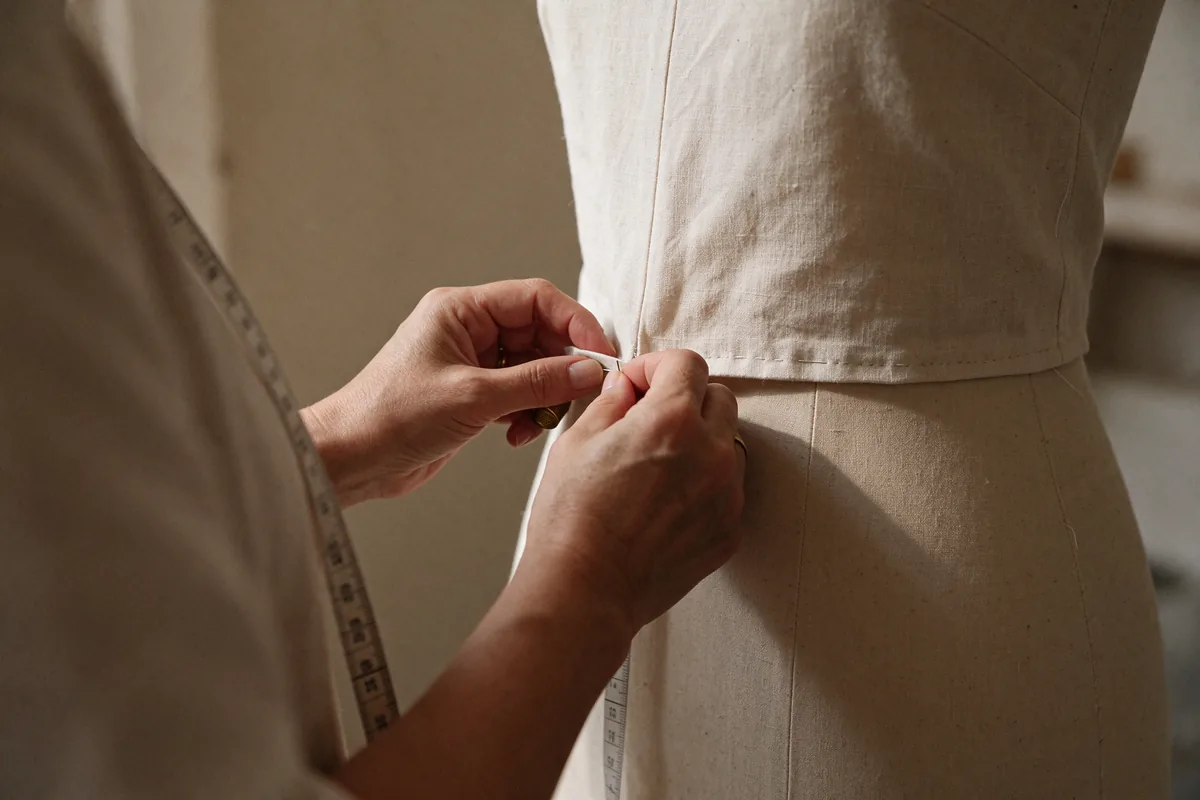
One method, applied twice.
Selling a garment and growing a channel are the same problem seen from different ends: understand who you are speaking to, choose carefully what to put in front of them, and measure whether it worked.
The premise
Restraint is a commercial strategy, not an aesthetic one.
A house that stocks everything cannot explain anything. A channel that publishes everything cannot be remembered for anything. In both cases the discipline is the same: decide what you are for, and refuse the rest.
That is why Serenity Fashion House runs a short edit and a small studio. It is not a marketing position — it is the only way the work stays good enough to defend.
The five stages below are how that discipline is applied, whether the subject is a collection or a channel.
The method
Five stages, both sides of the house.
Each stage has a retail form and a studio form. They are the same discipline with different materials.
-
Listen
Retail: what the customer already wears, what has failed them, what occasion they are dressing for. Studio: what the channel currently promises, and what its existing audience actually watches to the end.
-
Edit
Retail: a short list of pieces that answer the brief, with the honest option of none. Studio: a content plan with fewer formats, each one defensible, rather than a calendar filled to look busy.
-
Present
Retail: cloth, cut and fit described plainly, photographed honestly. Studio: titles, thumbnails and openings built around the promise of the video, not around its subject matter.
-
Promote
Retail: the piece goes where the people who want it will see it, without discounting to manufacture urgency. Studio: paid distribution only after the creative has earned it, with budget and objective agreed in advance.
-
Review
Retail: what sold, what sat, and why — which shapes the next edit. Studio: a monthly report that includes the videos and campaigns that missed, and what will change because of them.
Comparison
The same standard, stated for each side.
| Standard | In retail | In the studio |
|---|---|---|
| Honest description | Fabric, origin and fit described accurately; stock confirmed before reserving | Deliverables named precisely; no forecasts presented as expectations |
| Small scope | Four categories, limited pieces per category | A capped number of concurrent engagements |
| Evidence | Fit checked before a piece is accepted for the floor | Tests recorded, including the ones that failed |
| No manufactured urgency | No countdowns, no invented scarcity, no fake sales | No "limited spots" language unless it is literally true |
| Clear commercial terms | Price, delivery and returns confirmed in writing | Fee, term, notice period and ad spend set out before work begins |
Boundaries
What the house declines.
A method is only credible if it has edges. These are ours, and they are not negotiable for a fee.
- 01
Purchased engagement
Subscribers, views, watch hours, likes and comments cannot be bought from us, and we will not manage a channel that buys them.
- 02
Guaranteed outcomes
We will not sign a document that promises a subscriber count, a view volume or a revenue figure.
- 03
Invented credentials
No partnership badges, no "award-winning" language, no client names we cannot show a signed release for.
- 04
Misleading destinations
No landing page that describes something other than the advertisement that led to it.
If we cannot explain a decision in a sentence, it is probably not a decision we should be making on a client's behalf.Serenity Fashion House — house principles
Enquiries
Work with the house.
Retail enquiry or studio engagement — both start with a short, honest conversation about whether we are the right fit.